The verbal depth is challenging since it is little and limit and limits dental hygienists’ field of vision. This empowers them to work in ungainly, resolute positions to encourage a way better visual working area.1,2 Amid the inactive pose, the body is constrained to utilize half of its muscles to contract and hold the position. Drawn out perseverance of inactive stances may result in musculoskeletal clutters (MSDs) such as constant lower back torment, pressure neck disorder, muscle lopsided characteristics, joint hypomobility, spinal disk degeneration, and eventually a career-ending injury.
Dental hygienists may decrease the chance of creating MSDs by creating a solid working pose. Clinicians ought to begin by assessing their person postures.3,4 Marklin et al completed a ponder to degree word related stances of dental specialists and dental hygienists in which they watched the stances while the specialists treated patients amid 4-hour periods. This ponder found that the stances of the trunk, shoulders, and neck remained fundamentally inactive for the clinicians amid treatment.
To assess pose, a modern evaluation apparatus such as the Branson’s Pose Evaluation Instrument (BPAI) may be utilized or a associate can take pictures or video tape of the operator’s pose while working on patients all through the day.4 Since numerous regions in the verbal depth are not effectively available through coordinate vision, clinicians tend to turn their heads and twist and bend the back into an cumbersome position to offer assistance see. These proceeded expansions of the body put strain on the muscles and inevitably lead to muscle imbalances.
Establishing A Neutral Working Position
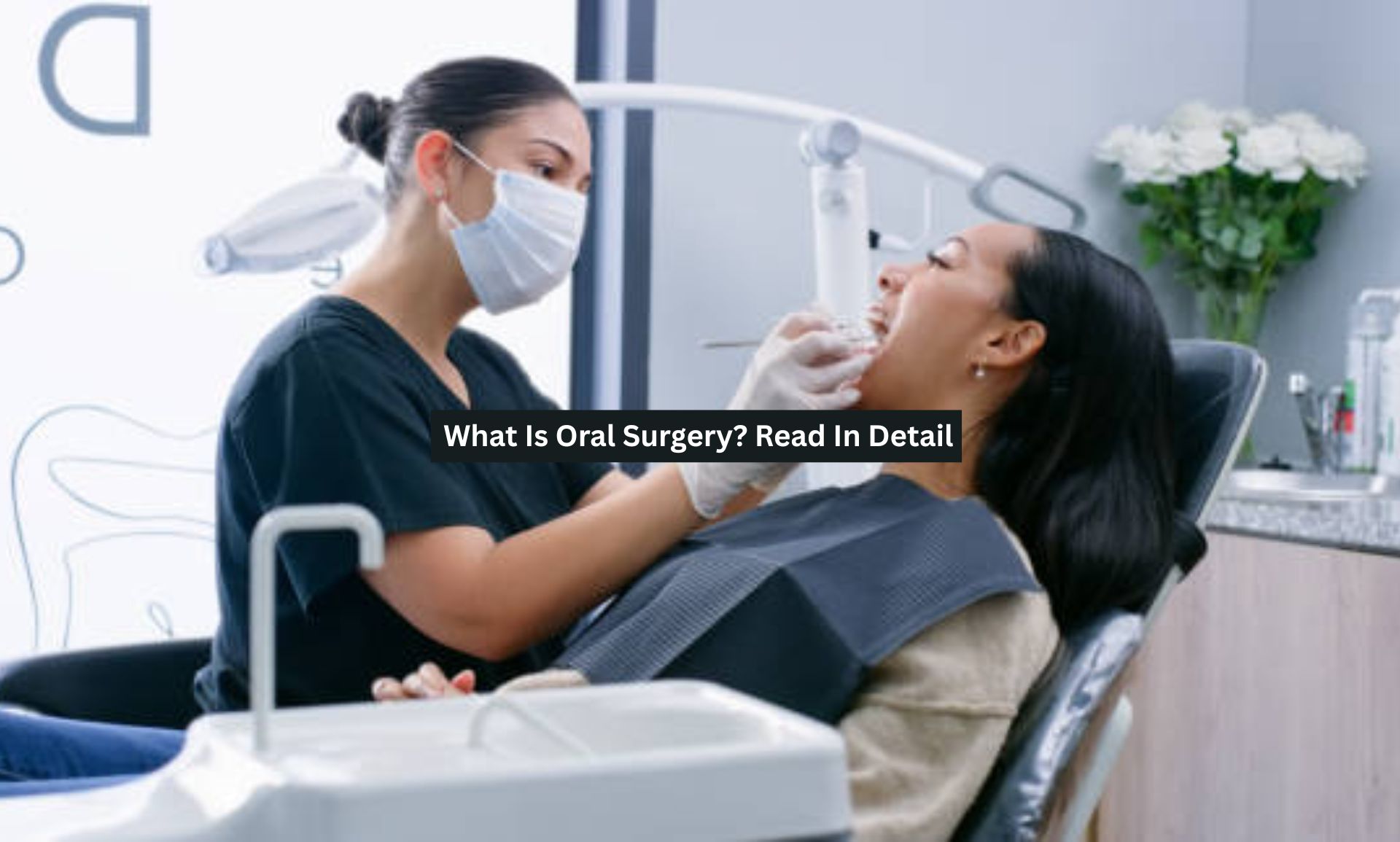
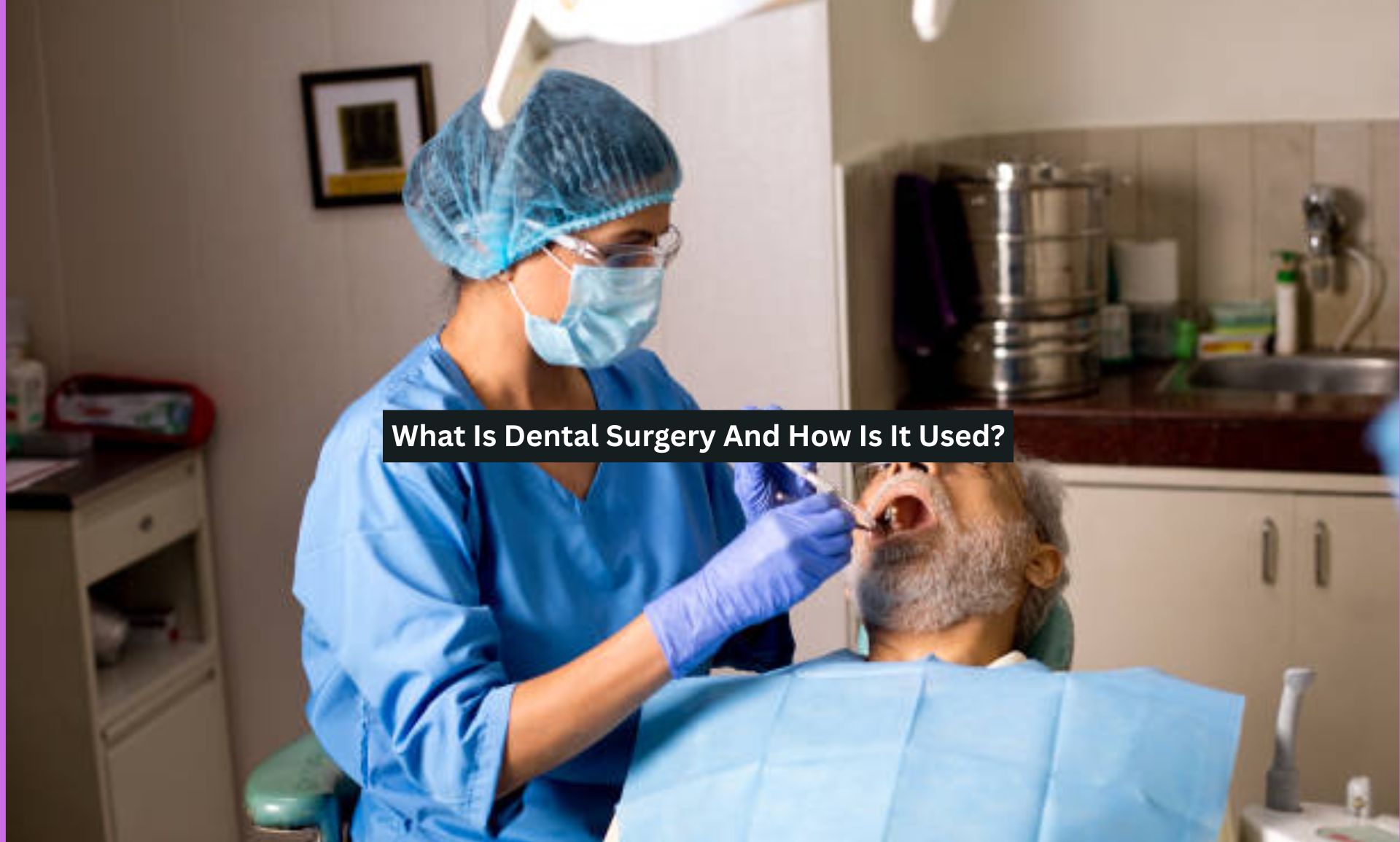
When getting in a sound pose, clinicians require to alter their chairs to begin with and at that point position the understanding back. Dental hygienists frequently make the botch of situating their patients to begin with and at that point situating the administrator stool.6 For the professional, the ideal sitting position is a unbiased working pose, which permits for perseverance and diminishes the potential for overexertion and injury.
The unbiased working position energizes the clinician to sit with the back and the spinal line straight, weight equally adjusted, lower arms and thighs parallel to the floor, and the hips at a 90° point. The situate stature ought to be situated moo sufficient so you are able to rest the heels of your feet on the floor. Alter the administrator chair so that the hips are marginally higher than the knees and convey weight equally by setting both feet immovably level on the floor. Do not sit on the edge of the chair. This can compress the backs of your thighs and decrease blood stream. Similarly critical, shoulders ought to be loose and parallel with the hips and the floor, whereas the elbows ought to remain near to the body.
Using Chair Support
To keep up a straight back, alter and utilize the lumbar bolster of the chair. Moreover, if the chair has arm rests, alter them to back elbows in the impartial bear position; this will offer assistance to diminish neck and bear strain.
Patient/Operator Positioning
When seating a quiet, a common botch is for clinicians to put the patient’s chair tallness as well tall. This may cause the clinician’s shoulders to hoist and make an snatching of the arms, driving to irregular position and pressure in these muscle bunches. In a perfect world the dental hygienist ought to alter the patient’s headrest until the patient’s mouth is at the clinician’s elbow stature; this comes about in the patient’s verbal depth being roughly 15 to 22 inches from the clinician’s eyes. Administrators may change situation of patients in a semi-supine position for mandibular strategies and in a recumbent position for maxillary strategies, or utilize a chin-up and chin-down strategy when working on distinctive arches.
Varying Positions
Varying positions shifts work to other muscle groups.6 Diverse positions too give clinicians with more choices for vision in the working zone. When a understanding is in typical recumbent position and the clinician, depending on dominance of hand, changes working position to pick up superior get to into the verbal depression, the ideal run of development for a righthanded clinician is 8 o’clock to 12 o’clock and 4 o’clock to 12 o’clock for left-handed specialists.
Clinicians ought to keep up the impartial working pose and work in distinctive areas around the verbal depth in arrange to pick up superior get to. By utilizing the clinician’s stool to explore around the persistent instep of twisting and bending, the dental hygienist can maintain a strategic distance from inactive pose, pick up superior visual alterations, and maintain a strategic distance from MSDs. Figure 1 appears a right-handed clinician working at a 12 o’clock position.
Dental Light Positioning
The dental light is one of the most straightforward alterations to make that can offer assistance avoid MSDs for dental hygienists. Destitute and lacking lighting can lead to eyestrain and headache.3 The dental light ought to be as distant over the patient’s head as conceivable while inside the simple reach of the clinician. When instrumenting in the maxillary curve, the dental light is best situated over the patient’s chest, tilted so that the bar sparkles into the verbal depth at an point (Figure 2). The dental light ought to be set straightforwardly over the patient’s head when instrumenting on the mandibular curve (Figure 3), allowing for the pillar to sparkle specifically onto the working area.
Co-Axial Headlights
Co-axial headlights are another alternative for dental hygienists. When selecting a coaxial fog light, the alteration of brightness, pillar consistency, and weight ought to be considered.
The redress lighting permits the clinician to see way better without feeling the require to twist, turn, or turn. Adequate lighting is another basic apparatus for anticipating potential torment and compromising injury.
Dimensions Of Dental Cleanliness
Dimensions of dental cleanliness is a month to month, peer-reviewed diary that reconnects practicing dental hygienists with the nation’s driving teachers and researchers.
Dimensions is committed to the most noteworthy measures of polished skill, precision, and astuteness in our mission of instruction supporting verbal wellbeing experts and those partnered with the dental industry. Through our print and advanced media stages, proceeding instruction exercises, and occasions, we endeavor to provide important, cutting-edge data outlined to back the most elevated level of verbal wellbeing care.
Young-Onset Dementia
While dementia is a neurodegenerative malady commonly related with grown-ups more seasoned than age 65, it can moreover affect more youthful individuals.1 Young-onset dementia (YOD) is a uncommon condition, influencing around 11 out of each 100,000 people between the ages of 30 and 64 each year.2,3 An assessed 6% to 9% of all people living with dementia around the world are more youthful than age 65.4
The frequency of YOD is comparable in men and ladies, in spite of the fact that early side effects regularly contrast — men are more likely to appear fractiousness, whereas ladies tend to involvement more articulated memory misfortune. Recognizing YOD can be troublesome since the condition is seldom suspected in more youthful grown-ups; it is frequently mixed up for other ailments, such as misery, hormone insufficiencies, or psychiatric issues. YOD is regularly analyzed after an normal delay of 4.4 a long time — approximately 11.2 months longer than the normal time to analyze older-onset dementia (OOD). To anticipate delays, verbal wellbeing experts require to recognize YOD’s early signs and symptoms.
Symptoms, Conclusion, And Hazard Factors
YOD side effects change depending on the subtype, with the most common being young-onset Alzheimer infection, frontotemporal dementia, vascular dementia, and Lewy body dementia. Over all subtypes, early indications commonly include changes in behavior, dialect, and identity, along with challenges in overseeing contemplations, feelings, and actions. A precise survey and meta-analysis comparing clinical characteristics of YOD and OOD found that people with YOD had poorer pattern cognitive scores and speedier cognitive decay, but a longer survival period after determination.