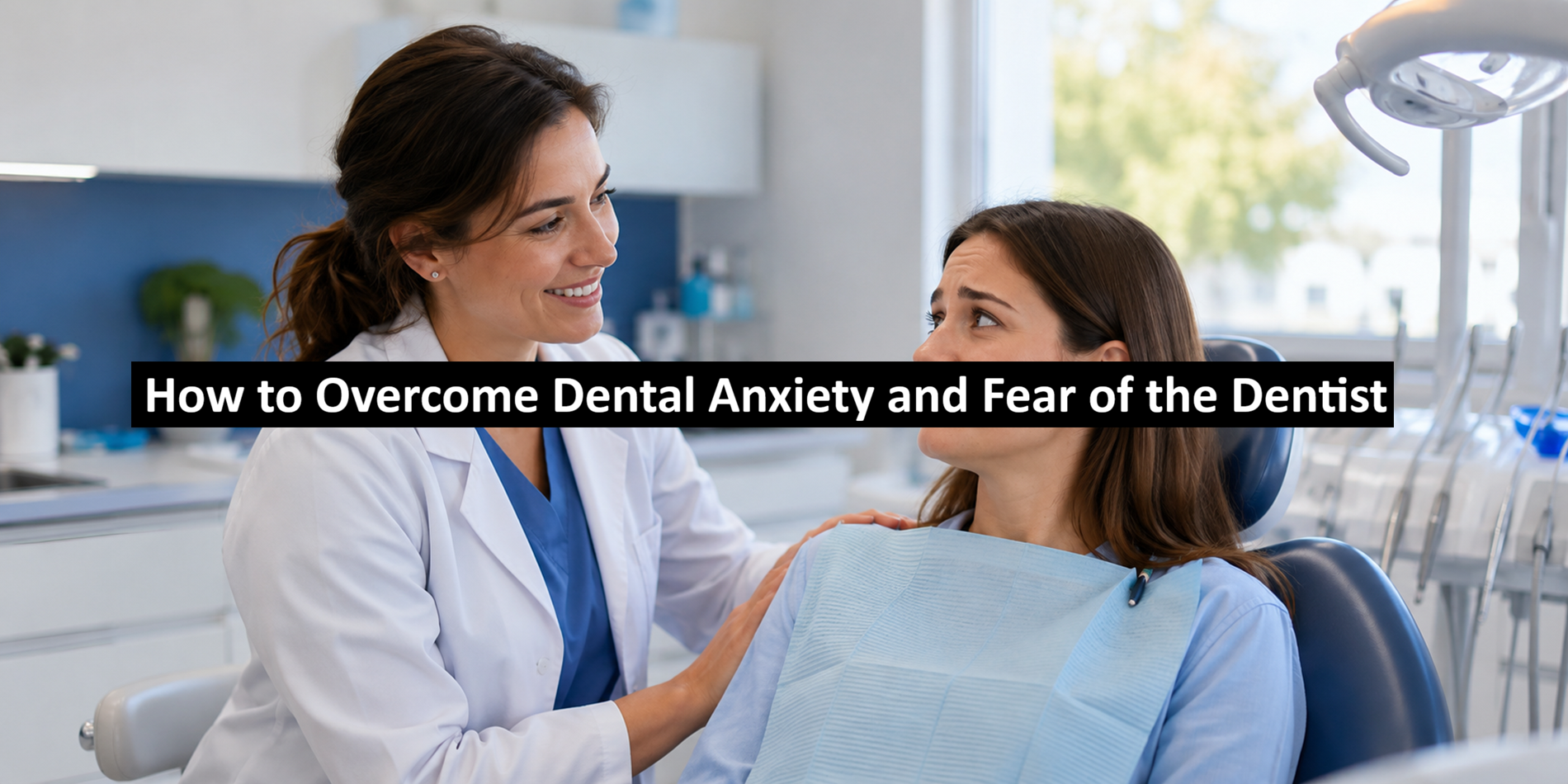
A dental appointment can look harmless in a calendar, then take over the whole morning. Sleep may have been poor. Breakfast may stay untouched. By the time the clinic door comes into view, leaving can feel easier than going inside.
Fear rarely fades because someone says there is nothing to worry about. It tends to ease when the visit feels predictable, treatment can pause and the patient feels taken seriously.
What Is Dental Anxiety and Why Is It So Common?

When you are concerned about this sort of anxiety, you must know that it is a sort of an anxious feeling that is interlinked to various factors. These can be the whole check-up, cleaning or treatment which can feel like a nightmare for some. Furthermore, it may begin days before the visit or only after equipment is heard in the next room. Some people feel sick or shaky. Others become quiet and answer every question with a nod.
The setting can add to that reaction. The chair leans back. A bright light sits close to the face. Once treatment starts, normal conversation becomes difficult. A patient who already expects pain may notice every sound or change in pressure.
Past experience often sits underneath the fear. One painful injection can stay in the mind for years. The same is true when a dentist once continued after a patient asked for a break.
Avoidance makes the cycle harder. One missed appointment becomes several. A small cavity grows. The return visit may involve more work than the earlier appointment would have needed. That can make the next booking feel worse.
Dental anxiety is not bad behaviour. It is often a learned response. Severe fear that blocks necessary care may also need support from a qualified mental health professional.
Read: Top Benefits of Getting Root Canal Philadelphia Treatment Early
Common Triggers of Dental Fear and How They Develop
The word dentist is not always the real trigger. For one patient, the fear begins when the chair moves. For another, it starts with the smell of the room or the sight of an injection tray.
Noise can bring back an earlier visit before the patient has time to think. Suction may raise concerns about gagging. Numbness can feel frightening too.
Embarrassment is common. Someone who has avoided care for years may expect criticism about broken teeth, bad breath or missing fillings. Cost can sit underneath the fear when treatment may be hard to afford.
Common triggers include:
- Needles or the wait before an injection
- Drilling sounds, suction or strong smells
- Gagging, choking or feeling short of breath
- Being unable to speak during treatment
- Fear of judgement about oral health
- Unclear costs or unexpected procedures
The trigger changes the support that may help. Headphones may suit a patient troubled by sound. However, the reality is that someone who feels congested and trapped requires a lowered chair in a slow manner in order to initiate a clear stop signal, something that is agreed beforehand.
Practical Tips to Manage Dental Anxiety Before Your Appointment

The visit often becomes easier when some pressure is removed before arrival. Booking the final slot after a long workday may leave the patient tired and less able to cope. A morning appointment can help because worry has less time to build.
The practice should be told about the anxiety while the appointment is arranged. A short note is enough. “The patient is nervous about injections” gives the team something useful to plan around.
A first visit does not always need treatment. For someone returning after several years, a consultation and examination may be enough. What’s more to know is that if you are seeing the room as a patient, meeting the dental specialist and hearing what needs crucial attention can feel a bit unfamiliar for some individuals.
However, rest assured that few practical steps may help:
- Write down the main fears before the visit
- Ask what the appointment is expected to include
- Bring a trusted person when the practice allows it
- Follow food, medicine and transport instructions
- Avoid too much caffeine beforehand
- Share any past reaction to sedation or local anaesthetic
It is dangerous to drink alcohol before treatment since it may affect choices on medication, consent or rehabilitation. Asthma, allergies, medications and narcotics should be known to all members of the dental team.
All in all, the process of sedation involves evaluation, appropriate transportation and recuperation time.
How to Communicate Your Fears With Your Dentist Effectively

A patient does not need a polished speech. One honest sentence can change the tone of the appointment.
Specific details help most. “The chair makes the patient feel trapped” gives the dentist something practical to adjust. Part of the conversation can happen while the patient remains upright. The chair can then move back slowly.
A stop signal should be agreed before treatment begins. Raising one hand is common because it remains possible while the mouth is open. The signal may mean that a pause is needed, discomfort has started or the patient wants an explanation.
Different people want different amounts of information. One patient feels calmer when each step is explained before it happens. Another becomes more anxious after hearing too much detail. The dentist needs to know which approach feels easier.
Pain control should be discussed plainly. The patient may ask how long numbing should take, how it will be checked and what happens if sharp pain remains. Feelings of pressure or vibration could persist. What’s more, you must try to understand that severely inflicting pain isn’t a must for everyone.
In fact, long treatment can sometimes be split into shorter visits. Finishing an examination and returning later for treatment still counts as progress. Trust often grows through one manageable appointment at a time.
Relaxation Techniques That Help During Dental Treatments

Remember one thing in a realistic perspective that just because you will be relaxed, it won’t be a miracle cure. In fact, it will not release the actual fear during the upfront moment. For you see, it can lower physical tension enough for the patient to stay present and communicate.
To define further, there’s the matter for slower breathing levels, these are often easier to deal with then you think. A gentle breath in through the nose followed by a longer breath out can reduce the feeling of rushing. After several rounds, the hands and shoulders may loosen.
Muscle release can be done quietly. The patient may press both feet lightly into the floor, hold for a moment and let go. The same can be done with the hands or shoulders.
Headphones may soften equipment sounds when they do not block instructions. Familiar music or a calm podcast can make the room feel less exposed. Some patients prefer to hold a small object.
Grounding can help when thoughts begin racing. The patient may notice the weight of the body in the chair, the feel of the armrest or the pace of each breath. The stop signal adds reassurance because a pause remains possible.
Persistent fear may need more than breathing or music. Therapy, gradual exposure or properly assessed sedation may help.
Conclusion
On the whole, Managing Dental Anxiety usually begins with a visit that feels small enough to finish. A clear conversation, a stop signal and a realistic pace can make care feel less threatening. Progress may start with an examination rather than treatment. That still counts.